
REVIEW · LUXOR
3 nights Luxor and Aswan Nile cruise with Hot air balloon,Abu Simbel from Luxor
The Nile tells Egypt’s story one temple at a time. This four-day journey combines a three-night Nile cruise with Luxor’s royal tombs, a hot-air balloon ride, Abu Simbel, Edfu, Kom Ombo, Philae, and the Aswan High Dam. I like the way it joins major sights into one route, and I like that transport, meals, guides, and cruise accommodation are arranged together. The main drawback is the pace: early starts, long sightseeing days, and roughly $80 in entrance fees on top of the $625 price require careful budgeting.
The small-group feel is another plus, especially with guides such as Hamdy and Ahmed praised for keeping the service personal and explaining archaeological details clearly. You should also note that this is not a leisurely cruise with long hours spent aboard. It is a sightseeing program with a cruise as its moving base, and the Abu Simbel morning begins around 5 a.m.
Key points to know before booking
- A hot-air balloon over Luxor: An early morning flight gives you a fresh view of the Nile and the west bank before the day’s temple visits.
- Three nights aboard the Nile: Your cabin, meals, and sailing between Luxor and Aswan are included, reducing the need to arrange separate hotels and transfers.
- Abu Simbel from Aswan: The final day includes the famous rock-cut temples, but the excursion requires a very early departure and returns around 1:30 p.m.
- A full ancient-Egypt circuit: Valley of the Kings, Hatshepsut Temple, Karnak, Luxor Temple, Edfu, Kom Ombo, Philae, and the High Dam are all covered.
- About $80 extra for entry fees: The tour price includes transport and guiding, but admission tickets are not included.
- Private booking with a personal guide: The activity is private for your group, while the cruise itself follows a shared sailing schedule.
What the $625 price really covers
At $625 per person, this tour is best judged as a bundled Egypt itinerary rather than a simple boat trip. The cost includes three nights on the Nile cruise, a cabin with facilities, breakfast, lunch, and dinner, plus the main transport needed for the route.
You also get an Egyptology guide, licensed drivers, an air-conditioned vehicle, motorboat rides, the horse-and-carriage visit at Edfu, the hot-air balloon flight, and the Abu Simbel trip. Pickup and drop-off at your hotel or the port are included, which matters in Luxor and Aswan, where arranging several separate rides can quickly become tiring.
The biggest extra is entrance fees, listed at around $80 per person. That is a meaningful addition, so include it in your budget before booking. You should also check exactly which admission tickets are covered by that estimate, since the itinerary includes several major temple and tomb sites.
The value is strongest if you want a tightly organized first visit to southern Egypt. You are paying for convenience as much as for the cruise itself. If you prefer to choose your own temples, linger for hours, or spend quiet afternoons on deck, this schedule may feel too packed.
More Nile Cruise and Balloon Packages in Luxor:
- From Luxor: 3-Night Nile Cruise to Aswan and Hot Air Balloon
★ 3.7 · 297 reviews - From Luxor: 5-Day Nile Cruise to Aswan with Balloon Ride
★ 4.2 · 168 reviews - Private Tour to Luxor West and East Banks with Hot Air Balloon,Felucca and lunch
★ 5.0 · 162 reviews
Day one: Valley of the Kings and Hatshepsut Temple
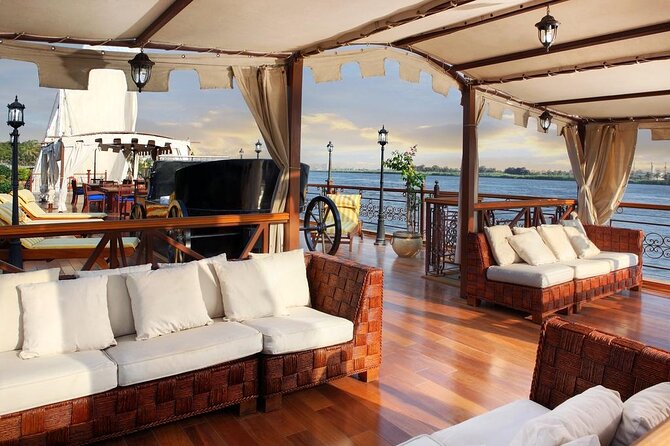
The first day begins with pickup by an Egyptology guide and a motorboat crossing to Luxor’s west bank. That short ride gives you a pleasant introduction to the Nile before the day turns toward tombs and temples.
The Valley of the Kings is the main event. This desert valley held the burial places of Egyptian rulers, including Tutankhamun. Your guide gives the site context, then you enter the tombs allowed for your ticket. The tour description connects the day with Howard Carter’s famous discovery of Tutankhamun’s tomb and his answer when asked what he could see through the opening: many great things.
That story is a useful reminder that the valley is not simply a collection of decorated rooms. The tombs show how royal burial customs, art, and religious ideas came together. You should expect painted corridors, chambers, and careful explanations rather than a museum-style display of large objects.
Next comes Hatshepsut Temple, one of Luxor’s most recognizable buildings. It rises in broad terraces against the cliffs, and the story of Hatshepsut gives your guide plenty to explain. She ruled as pharaoh and presented herself with the symbols traditionally linked to male kingship, including the ceremonial false beard.
The day also includes Carter House, associated with the archaeologist who discovered Tutankhamun’s tomb. This is a smaller and more personal stop than the great temples. It adds a human side to the story of excavation and helps connect the famous discovery with the people who worked on it.
I like the order of this day because it moves from royal burial to royal worship, then to modern archaeological history. The concern is heat and timing. The west bank has little shade at open-air sites, and the first day may feel demanding if you have arrived in Luxor after a long journey.
Day two: A balloon flight, Karnak, and sailing south
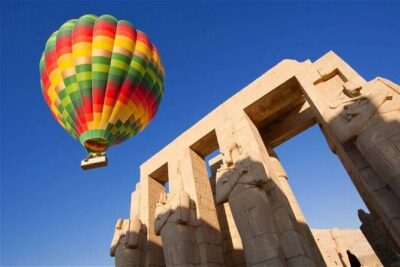
Day two starts early with a transfer to the waterfront, a motorboat crossing, and the hot-air balloon ride over Luxor. Exact flight length is not provided, but the activity is presented as an early morning experience before the main sightseeing program.
The balloon is a strong feature because it changes the scale of Luxor. From above, you can see the Nile, cultivated land, desert, and the west bank sites spread along the river. You will want warm clothing if the morning is cool, plus a camera with a secure grip. The tour does not list special equipment, so bring only what you can handle safely in the basket.
After the flight, the route turns to Karnak Temple. Karnak is a huge religious complex rather than one single building. Its columns, courtyards, gateways, and sacred areas make it one of the day’s most demanding stops, but also one of the most rewarding for anyone interested in ancient Egypt.
Luxor Temple follows. Its location near the modern city gives it a different feel from the more isolated west-bank sites. The temple was connected with royal ceremonies and religious festivals, and its remains show how Egyptian rulers added to older sacred places over time.
After the temple visits, the cruise begins sailing toward Esna and then Edfu. This is when the trip shifts from land touring to river travel. I like the chance to watch islands, farmland, and daily life along the banks from the deck. It is a welcome pause after the morning’s sightseeing.
The boat passes through the Esna Lock before continuing south. A lock is a practical part of the Nile route, but it can also become one of those small travel moments you remember because the ship must adjust to a different water level.
This is also the first night aboard the cruise. Buffet meals are included, with breakfast, lunch, and dinner listed as part of the package. Since the itinerary says meals begin with lunch on the first day and end with breakfast on the last day, check the exact meal schedule when you confirm your booking.
Day three: Edfu by horse and carriage, then Kom Ombo
The morning begins with a traditional horse-and-carriage ride to Edfu Temple. That transport is included, so you do not need to arrange your own way from the boat to the site.
Edfu is dedicated to Horus, the falcon-headed god, and its temple is among the best-preserved major temples along the Nile. Its large entrance and detailed reliefs help you picture how a functioning temple may have looked before centuries of damage and reuse.
The horse-and-carriage ride is part of the local character of the visit, but it is also the point where comfort can vary. The supplied information does not specify the length of the ride or the condition of the carriages, so keep expectations practical. It is transportation, not a private scenic carriage tour.
After Edfu, you return to the ship and continue toward Kom Ombo. This section of the sailing is a good time to use the sun deck, enjoy Egyptian tea, and watch the riverbanks pass at a slower pace. The itinerary specifically sets aside time for tea during the voyage, a small detail that helps the cruise feel like more than a series of bus transfers.
Kom Ombo is visited around sunset. The temple is unusual because it is dedicated to two groups of gods, with one section linked to Sobek, the crocodile god, and another linked to Horus. The fading light can make the site especially atmospheric, though it also means you should stay close to your guide and keep an eye on the time.
After the visit, the ship sails toward Aswan for the third night. At this point, you will have covered a lot of ground. The cruise provides a bed and meals between stops, but it does not remove the need for stamina. This is a good choice for someone who wants to see the main sights in a short window, not for someone seeking a slow wellness retreat.
More Abu Simbel and Balloon Tours in Luxor:
- 4 Nights Luxor to Aswan Nile cruise with Abu Simbel&Air Balloon
★ 5.0 · 155 reviews - 4 nights Luxor to Aswan Nile Cruise with Abu Simbel & Air Balloon
★ 4.5 · 102 reviews - 5-Day Luxor and Aswan Nile Cruise with Abu Simbel and Hot Air Balloon
★ 5.0 · 60 reviews - 5-Day Nile Cruise Luxor to Aswan Abu Simbel and Hot-Air Balloon
★ 5.0 · 56 reviews
Day four: Abu Simbel, Philae, and Aswan’s High Dam
You disembark after breakfast, but the day is far from over. Around 5 a.m., the Abu Simbel excursion begins. That early start is the clearest practical warning in the entire program.
Abu Simbel is famous for its enormous temple façades cut into the rock, especially the seated figures of Ramesses II. The temples were moved during the construction of the Aswan High Dam, making the site important both for ancient art and for modern conservation work.
The schedule brings you back around 1:30 p.m. The tour description does not specify the full driving time or the length of the visit, so you should expect a long morning and plan for limited rest. Bring water, sun protection, and anything you need for a road journey, while keeping luggage arrangements clear because you are disembarking from the cruise.
After returning, the route continues by motorboat to Philae Island Temple. The boat ride is part of the experience, and the island setting gives Philae a different character from the temples visited earlier. The temple complex was also moved to protect it from rising water after the High Dam was built.
The final major stop is the Aswan High Dam. It is a modern engineering project, not an ancient monument, but it explains much of the region’s recent history. Your guide can connect the dam with the relocation of Philae and Abu Simbel, giving the final day a useful thread: Egypt’s past has repeatedly been protected, reshaped, and sometimes moved to survive.
After the sightseeing, you are driven to your destination in Aswan. The program ends there rather than returning to Luxor, which makes it useful if Aswan is your next base. The supplied details do not specify the final drop-off address, so provide that clearly when booking.
Guides, group size, and the level of service
The experience includes a qualified Egyptology guide, and the booking is described as a private activity for your group. That is important because the quality of a multi-site Egypt tour depends heavily on how well the guide handles context, timing, and questions.
Hamdy receives especially strong praise for his Egyptology guiding, while Ahmed is also singled out for good service. One account also names Mostafa Molattam in connection with a Nile tour. The consistent point is personal attention and a focus on archaeological facts, with small groups preferred over a large coach-style arrangement.
Still, private guiding does not mean the ship operates privately. Your road transfers and guide arrangements may be personal to your group, but the cruise follows its sailing schedule and port timetable. Ask how many people will share the guide and which parts of the program are private before you pay.
The guide can also make the difference between seeing a row of columns and understanding why they matter. I would use the included guide actively: ask about the tomb paintings, the temple gods, the relocation of Philae, and how the High Dam changed the river.
Food, cabins, and daily comfort
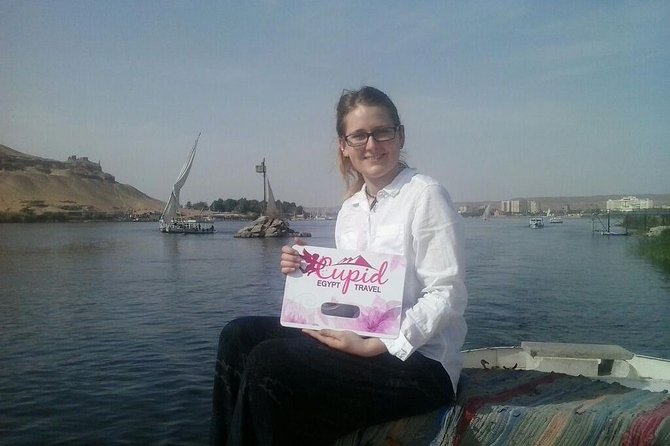
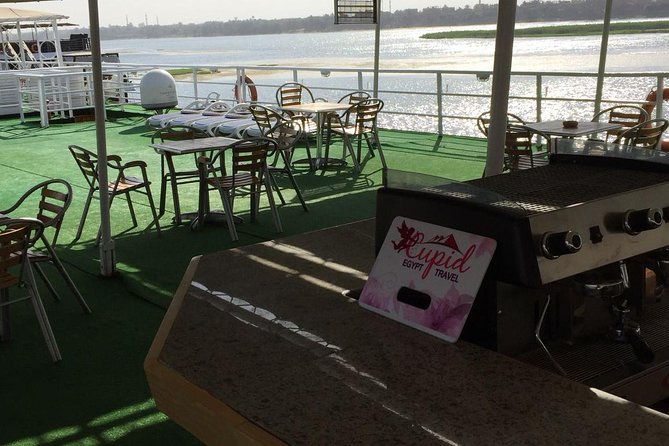
Buffet breakfast, lunch, and dinner are included on board, with meals beginning at lunch on day one and ending with breakfast on day four. The package lists four breakfasts, along with buffet lunches and dinners, although the exact meal count may depend on your pickup time and cruise schedule.
The cabin includes standard facilities, but no specific cabin size, deck position, or onboard amenities are provided. If you care about a window, balcony, bed setup, or a quieter location, ask before booking rather than assuming those details.
The cruise helps with basic logistics because you unpack once while moving between Luxor and Aswan. That is a real advantage in a four-day program. At the same time, the boat is mainly a base for sightseeing, not a replacement for careful planning. Keep essentials in a small day bag, since you will leave the ship for early starts, temple visits, and the Abu Simbel drive.
Pickup is offered from a hotel or port, and the tour uses air-conditioned vehicles with licensed drivers. Those details matter most on the hottest days and during the long final excursion.
Who should book this Nile program?
I would recommend it to a first-time Egypt visitor who wants the main Luxor-to-Aswan route handled in one booking. It suits you if you value a guide, organized transport, included meals, and a broad list of major sites more than free time.
It is also a good fit if you want both classic sightseeing and a few memorable extras. The hot-air balloon flight, motorboat crossings, horse-and-carriage ride, tea on the sun deck, and sunset visit to Kom Ombo give the trip variety.
I would think twice if you dislike early mornings, long road journeys, or fixed schedules. The balloon flight begins early, the Abu Simbel trip begins around 5 a.m., and the itinerary packs several major sites into four days. The cruise makes the route easier, but it does not make the schedule light.
The price makes the most sense when you use most of the included services. If you would otherwise pay separately for three nights of accommodation, meals, private transfers, a guide, a balloon ride, and Abu Simbel transport, the package can offer solid value. Add the roughly $80 in entrance fees and clarify any personal expenses before making your final budget.
Should you book it?
Book this tour if you want a well-organized introduction to southern Egypt, especially with a private guide and a strong focus on ancient sites. I like its range: royal tombs, temples, river scenery, modern engineering, and two different views of Luxor from the ground and air.
Skip it if your ideal Nile trip means slow sailing and unplanned afternoons. This is a busy four-day program with an especially demanding final day. For the right traveler, that trade-off is worthwhile because you see an impressive amount of Egypt without arranging every transfer yourself.
The most important questions to ask before booking are the exact cabin details, the final entrance-fee total, the size of your guide group, and the arrangements for the 5 a.m. Abu Simbel departure. Get those points clear, and the $625 package becomes much easier to judge.
FAQ
How long is the experience?
The experience lasts approximately four days and includes three nights aboard a Nile cruise.
What does the $625 price include?
The price includes three cruise nights, a cabin, meals, a qualified Egyptology guide, motorboat rides, the hot-air balloon flight, Abu Simbel transport, the listed sites, air-conditioned vehicles, licensed drivers, taxes, and hotel or port pickup and drop-off.
Are entrance fees included?
No. Entrance fees are not included and are estimated at around $80 per person.
Which meals are included?
Breakfast, lunch, and dinner are included on the cruise. Meals begin with lunch on the first day and end with breakfast on the last day. The package also lists four breakfasts.
What time does the Abu Simbel trip begin?
The Abu Simbel excursion begins around 5 a.m. on the fourth day and returns at approximately 1:30 p.m.
Is the tour private?
Yes. The activity is described as private, with only your group participating. The cruise itself follows its scheduled sailing program.
Can I cancel for a full refund?
Yes. You can cancel up to 24 hours before the experience starts for a full refund. Cancellations or changes made less than 24 hours before the start time are not accepted for a refund.
Just added around Luxor
- Hot Air Balloon Flight in Luxor with Pickup★ 4.5 · 14 reviews
- Hot Air Balloon Ride and Tour to Valley of Kings Luxor- Special Offer★ 5.0 · 15 reviews
- Hot Air Balloon trips in Luxor★ 5.0 · 3 reviews
- Enjoy The hot Air Balloon,Kings Valley,Sailing Felucca,Camel Ride in Luxor★ 5.0 · 6 reviews
- Enjoy The hot Air Balloon,Kings Valley,Sailing Felucca,Camel Ride in Luxor★ 5.0 · 6 reviews
- Luxor Tours: City Tour,Hot Air Balloon,Kings Valley,Sailing Felucca,Camel Ride★ 4.5 · 19 reviews
- Amazing Luxor hot air balloon and tour to valley of the kings.Special offer★ 5.0 · 3 reviews
- Balloon Ride Luxor Egypt★ 5.0 · 68 reviews
Luxor Hot Air Balloon Rides, compared.
Hot Air Balloon Ride in Luxor Egypt with Transfers Included
Read our review →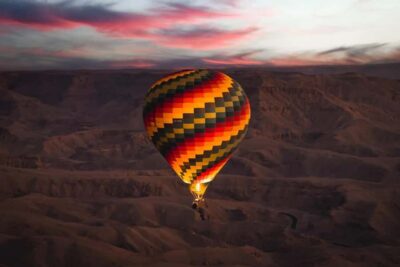
2-Day Luxor Tour with Hotel, Balloon, & Boat Ride
Read our review →
Luxury Sunrise Balloon Ride in Luxor with Hotel Pickup
Read our review →
Sunrise Hot Air Balloon Over the Historical sites in Luxor
Read our review →

Sunrise Ballooning Luxor with Transfers Included
Read our review →Browse the lists this tour appears in