REVIEW · EGYPT
Private Luxor OverNight With Hot Air Balloon Ride From Marsa Alam
Luxor rewards an early start. This two-day trip from Marsa Alam packs Egypt’s great royal sites into a practical overnight visit, then adds a 45 to 60-minute hot-air balloon flight above the west bank. I like the mix of major monuments and the quieter comfort of a four-star hotel, and I also like that Professor Mahmoud El Esnawy has earned praise for clear, detailed guiding and for making solo visitors feel comfortable. The main drawback is the long transfer from Marsa Alam, followed by a full sightseeing day and a pre-dawn balloon pickup.
You get lunch, breakfast, transport, an Egyptology guide, hotel pickup and drop-off, and the balloon flight for $280 per person. That is a fair package if you want the logistics handled, but remember that the main entrance tickets cost another EGP 1,410, and the schedule leaves little room for a slow, wandering visit.
Key points to know before booking
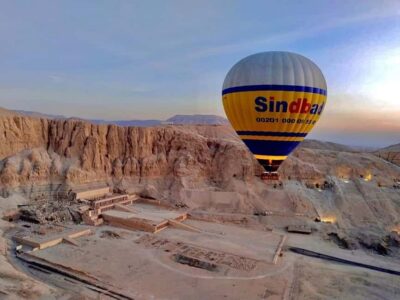
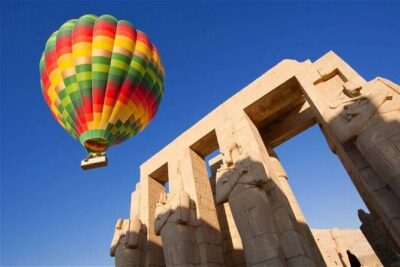
- The balloon flight begins at sunrise: You will see the Nile valley and ancient monuments from above during a 45 to 60-minute flight.
- Day one covers Luxor’s west and east bank highlights: Karnak, Hatshepsut, the Valley of the Kings, and the Colossi of Memnon are all included.
- A four-star overnight stay breaks up the journey: You avoid trying to fit Luxor into one rushed day.
- Professor Mahmoud El Esnawy may guide the visit: His calm manner and detailed explanations have been singled out in the tour feedback.
- Entrance fees are extra: Set aside EGP 1,410 for Karnak, Hatshepsut Temple, and the Valley of the Kings.
- The group is capped at 15 people: That is small enough for a more personal outing, though not the same as a fully private guide and car.
Why this Marsa Alam to Luxor trip makes sense
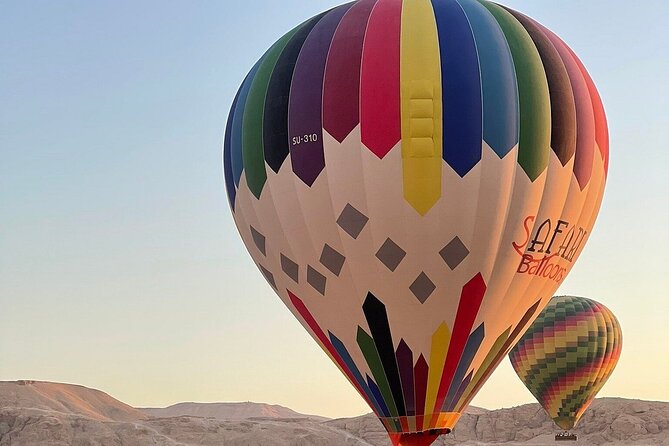
Luxor is not a quick side trip from Marsa Alam. The distance makes transport a major part of the experience, so a two-day plan is more sensible than trying to see the temples and return the same day.
I like the overnight format because it gives the monuments room to breathe. You still have a busy first day, but you do not need to race through Karnak, the west bank tombs, and the balloon flight before driving back to Marsa Alam. The hotel also gives you a place to rest before the early balloon pickup.
The tour begins at about 4:30 am. That is a serious start, but it helps you use the day well and reach Luxor with time for the major sights. The schedule is best for you if you prefer a structured trip with transport, meals, and a guide arranged in advance.
The group limit of 15 is useful. You should not expect an intimate private tour in the strictest sense, but this is still a smaller group than a large coach excursion. The provider calls it a private Luxor experience, yet the published group maximum means you should confirm the exact vehicle and group arrangement when booking.
A few more balloon flights around Egypt worth a look
- Hot Air Balloon Ride in Luxor Egypt with Transfers Included
★ 5.0 · 4,319 reviews - 4-Days Nile Cruise From Aswan To Luxor including Abu Simbel and Hot Air Balloon
★ 5.0 · 3,142 reviews - 4-Day 3-Night Nile Cruise from Aswan to Luxor&Abu Simbel+Balloon
★ 5.0 · 2,023 reviews
Karnak Temple and the power of ancient Thebes
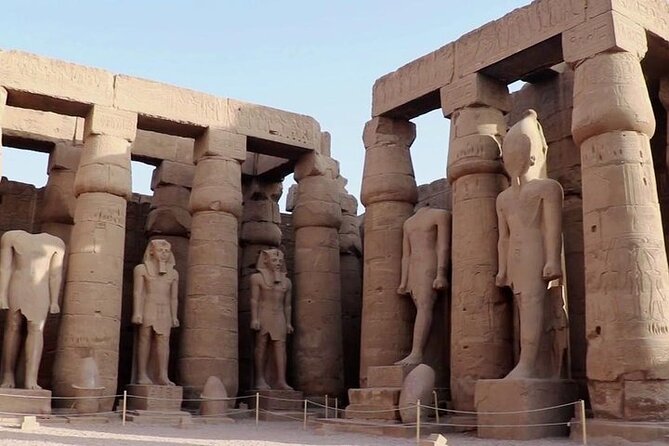
Karnak is the first major stop, with about an hour planned for the visit. The temple complex grew over many centuries, from around 2055 BC to about AD 100, and it served the gods Amun, Mut, and Khonsu.
The scale is the point. You are not walking into a single small temple. Karnak is a huge religious complex with gateways, courts, columns, statues, and sacred spaces added by different rulers. The ancient Egyptians called it the most select of places, and the name fits the ambition of the site.
An hour gives you a strong introduction, but it is not a long exploration. You will need to stay with the group and listen carefully to the guide’s explanation of the major structures. A good guide matters here because the size and layers of construction can blur together without context.
The entrance ticket is not included. Karnak is one of three listed sites covered by the combined extra cost of EGP 1,410, along with Hatshepsut Temple and the Valley of the Kings. Bring local currency or confirm the accepted payment method before setting out.
Hatshepsut Temple, built against the cliffs
On Luxor’s west bank, the Temple of Hatshepsut rises in three broad terraces beneath the cliffs near Deir el-Bahari. Long ramps connect the levels, while rows of square pillars frame the open design.
Hatshepsut was one of ancient Egypt’s few female pharaohs. Her temple was intended as a grand funerary monument, and its setting makes it different from the enclosed, column-filled spaces at Karnak. You can see why the monument was associated with the name Splendor of Splendors.
The stop lasts about an hour. That is enough to understand the layout and appreciate the setting, but you may want more time if you enjoy photographing architectural details or reading inscriptions. Much of the decoration and statuary has disappeared, so the broad terraces and cliff backdrop carry much of the visual impact.
The temple’s location also helps connect the day’s sites. You are seeing the ceremonial and funerary sides of ancient Thebes, not just checking off unrelated ruins. Your guide can help explain how royal power, worship, and burial customs fit together.
The Valley of the Kings and royal tombs
The Valley of the Kings receives about two hours, making it the longest stop on day one. This dry valley served as a royal burial ground for pharaohs of the 18th, 19th, and 20th dynasties.
Tutankhamun, Ramses II, Thutmose III, and Seti I are among the famous names linked to the valley. The tombs were built for kings, nobles, wives, and children, and their decorated interiors are the real reason to visit. You are moving through a burial site, not a palace, so the experience is more intimate and enclosed than Karnak or Hatshepsut Temple.
The entrance ticket is extra, and the included price covers the Valley of the Kings itself, not every possible special tomb. Since the exact tomb selection is not specified, ask your guide what access is included on the day.
Two hours is a useful amount of time, but the valley can be tiring. You will walk over uneven ground and enter tombs by ramps or stairs. The tour calls for a moderate fitness level, which is sensible advice. Wear practical footwear and pace yourself rather than spending all your energy at the first entrance.
A strong guide can make this stop far more rewarding. Professor Mahmoud El Esnawy was praised for giving such detailed explanations that one solo visitor began recording the information to keep up. That suggests you may get more than a quick label and a photo stop, though the pace of a group tour still applies.
Same sky, a different way to spend the morning:
- Luxor: Hot Air Balloon Ride over Luxor Relics
★ 4.8 · 1,681 reviews - Hurghada: 2-Day Luxor Tour with Hotel, Balloon, & Boat Ride
★ 4.5 · 1,113 reviews - Luxury Sunrise Balloon Ride in Luxor with Hotel Pickup
★ 5.0 · 1,104 reviews - Luxor: Morning Hot Air Balloon Ride
★ 4.4 · 736 reviews
The Colossi of Memnon, a short but useful stop
The Colossi of Memnon take about 30 minutes and admission is included. These enormous seated statues once guarded the entrance to a larger royal temple associated with Amenhotep III.
The name Memnon came later, linked to a Roman-era story about a statue that seemed to make a sound at dawn. The statues’ original purpose was more closely tied to royal power and the temple complex than to the Greek hero Memnon.
Half an hour is enough for photographs and a guide’s explanation. It is not a full archaeological visit, and you should treat it as a compact stop between the west bank sites. That is not a weakness. After two hours in the Valley of the Kings, a short open-air pause can be welcome.
The overnight stay and meals
The package includes one night in a four-star hotel, lunch on the first day, and breakfast. The hotel name is not provided, so you should not book this expecting a particular property, room style, or set of facilities.
The overnight stay is valuable mainly because of timing. It breaks the trip into a sightseeing day and an early balloon morning instead of forcing everything into one punishing schedule. Breakfast is especially useful before the balloon flight, although the exact serving time is not stated.
Lunch is included at a restaurant described as excellent in the tour information. The menu is not specified, so expect Egyptian food rather than a guaranteed choice of dishes. This is a chance to try local cooking, but tell the operator about dietary needs before departure if that matters to you.
The hotel and meals make the $280 price easier to assess. You are paying not only for admission-free transport, but also for a night, two meals, a guide, and a balloon flight. The separate entrance charge reduces the value slightly, yet the package remains reasonable for anyone who would otherwise need to arrange a car, hotel, guide, and flight independently.
Sunrise above the Valley of the Kings
The balloon flight is the emotional centerpiece of the trip. Pickup begins early on day two, and the flight lasts about 45 minutes, with the full balloon activity listed as one hour.
As the sun rises, you will look down toward Luxor’s ancient monuments, the Nile valley, and the green cultivated land around the river. The contrast between fertile fields and the dry hills near the royal tombs is especially striking from above.
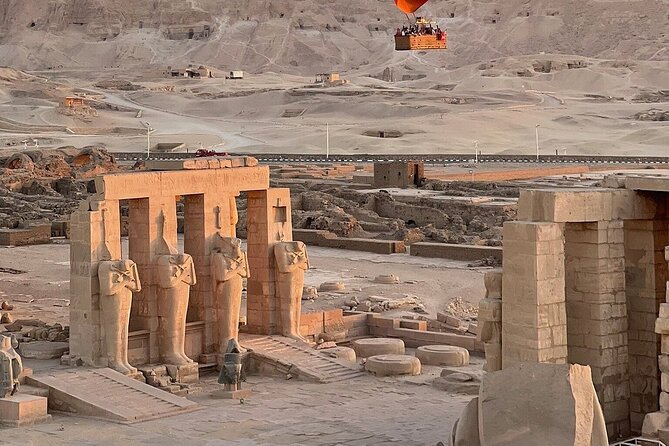
The balloon ride offers something the ground visits cannot: a sense of how the temples and burial valleys relate to one another. You see the west bank as a connected area rather than a set of separate stops.
The flight depends on good weather. If conditions cancel it, the stated options are a different date or a full refund. That policy is reassuring, but you should still plan emotionally for the possibility that the balloon will not fly. A sunrise flight is never as certain as a temple visit.
The start time also deserves attention. You may have to wake before dawn after a full sightseeing day, so do not treat the hotel night as a long sleep-in. The payoff is a calm, unusual view of Luxor that many visitors never get.
Guide quality and group size
A guide can make or break a history-heavy day. The positive feedback for Professor Mahmoud El Esnawy is specific: he was praised for deep knowledge of the sites, patient explanations, and helping a solo woman feel at ease with the guide and driver.
That matters in Luxor. The ruins are impressive, but the meaning behind a column, relief, or tomb layout is not always obvious. A strong Egyptology guide gives you the story of the rulers, gods, burial customs, and building projects without leaving you to guess.
The group maximum is 15 people. This should allow better access to the guide than a huge coach group, but you will still need to stay on schedule. If you want to linger at one relief or spend extra time in a tomb, a fully private arrangement would offer more freedom.
The experience is a good fit for solo visitors, couples, and families who want support in a complex historic city. It also suits people who value explanation over simply taking photographs.
What to bring and how to pace yourself
Wear comfortable shoes. The Valley of the Kings and temple grounds require walking, and the tour specifically asks for moderate physical fitness.
Start with a charged phone or camera, since the balloon flight and the west bank views provide strong photo opportunities. You may also want a small bag with water and sun protection, though the exact drinks and equipment supplied are not stated.
Keep the extra entrance fee in your budget. The listed EGP 1,410 covers Karnak, Hatshepsut Temple, and the Valley of the Kings, while admission to the Colossi and the balloon flight is included.
Most important, protect your energy. Day one includes several major sites, and day two begins very early. Listen closely at Karnak and Hatshepsut, but do not feel obliged to absorb every detail. The trip is more enjoyable when you leave some attention for the scale, light, and setting of the monuments.
Who should book this Luxor experience?
I would choose this trip if you are staying in Marsa Alam and want a well-organized first look at Luxor without arranging every moving part yourself. The combination of Karnak, Hatshepsut Temple, the Valley of the Kings, the Colossi of Memnon, a four-star hotel, and a balloon flight gives you a strong two-day introduction.
I would hesitate if you dislike early mornings, long road transfers, or tightly planned sightseeing. The schedule is active, and the extra entrance fee means the advertised price is not the full cost.
For solo visitors, the reassuring guide feedback is a real plus. For couples and families, the overnight format gives you more time than a one-day dash. If the balloon flight is your main reason for going, remember that weather can cancel it, even though a refund or new date is offered.
At $280 per person, this is good value for a traveler who wants transport, accommodation, meals, guiding, and the balloon ride bundled together. Book it if convenience and major sights matter more to you than an unhurried pace. Skip it if you want to explore Luxor independently or spend long, quiet stretches at individual tombs and temples.
FAQ
Where does this Luxor tour begin?
The tour begins in Marsa Alam, with hotel pickup offered. The stated start time is 4:30 am.
How long does the experience last?
The experience lasts approximately two days and includes one overnight stay in a four-star hotel.
What sites are visited on the first day?
The first day includes Karnak Temple, Hatshepsut Temple at Deir el-Bahari, the Valley of the Kings, and the Colossi of Memnon.
Is the hot-air balloon flight included?
Yes. A 45 to 60-minute hot-air balloon flight over Luxor is included.
When does the balloon ride take place?
The balloon ride takes place on the second day, around sunrise, from the Luxor takeoff site.
Are entrance tickets included?
Entrance tickets to Karnak Temple, Hatshepsut Temple, and the Valley of the Kings are not included. The stated additional cost is EGP 1,410. Admission to the Colossi of Memnon is included.
What meals are included?
Lunch and breakfast are included.
How many people can join the tour?
The activity has a maximum of 15 travelers.
Can the tour be canceled because of weather?
Yes. The balloon experience requires good weather. If poor weather causes cancellation, you will be offered another date or a full refund. You can also cancel up to 24 hours before the start time for a full refund.
Just added around Egypt
- Safaga port 2 Days tour to luxor with hot air balloon★ 5.0 · 4 reviews
- 2 Days Trip to Luxor from Safaga Port with Hot Air Balloon★ 4.5 · 2 reviews
- 2 Day Trip To Luxor From Marsa Alam including hot air balloon★ 5.0 · 2 reviews
- Full Day Tour from Marsa Alam to Luxor with Hot Air Balloon★ 5.0 · 5 reviews
- Hot Air Balloon Flight in Luxor with Pickup★ 4.5 · 14 reviews
- Enjoy The hot Air Balloon,Kings Valley,Sailing Felucca,Camel Ride in Luxor★ 5.0 · 6 reviews
- Hot Air Balloon Ride and Tour to Valley of Kings Luxor- Special Offer★ 5.0 · 15 reviews
- Hot Air Balloon trips in Luxor★ 5.0 · 3 reviews
Egypt Hot Air Balloon Rides, compared.

Hot Air Balloon Ride in Luxor Egypt with Transfers Included
Read our review →
4-Days Nile Cruise From Aswan To Luxor including Abu Simbel and Hot Air Balloon
Read our review →
4-Day 3-Night Nile Cruise from Aswan to Luxor&Abu Simbel+Balloon
Read our review →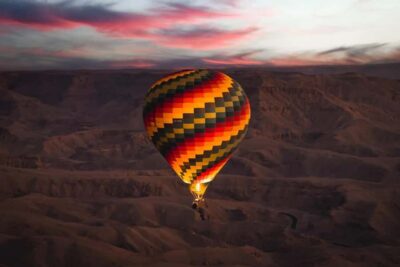
2-Day Luxor Tour with Hotel, Balloon, & Boat Ride
Read our review →
Luxury Sunrise Balloon Ride in Luxor with Hotel Pickup
Read our review →