
REVIEW · EGYPT
2 Days Trip to Luxor from Safaga Port with Hot Air Balloon
Ancient Egypt is worth the long road. This private two-day trip gives you time for Karnak, Luxor Temple, the Valley of the Kings, and Hatshepsut Temple instead of trying to squeeze Luxor into a rushed shore excursion. I like the private air-conditioned transport and the overnight stay, which make the three-hour journey each way easier to manage. I also like that an English-speaking Egyptologist guide stays with your group. The main point to check before paying is the hot-air-balloon inclusion and entrance fees, since the supplied tour details do not clearly include either one.
The schedule is full, but sensible. You see the east bank on the first day and the west bank after breakfast on the second, with a hotel night between them. The price of $840.54 per person is high for a Luxor excursion, yet it may make sense if you value a private vehicle, a private guide, hotel accommodation, meals, and direct port pickup more than a lower-cost group bus.
Key points to know before booking
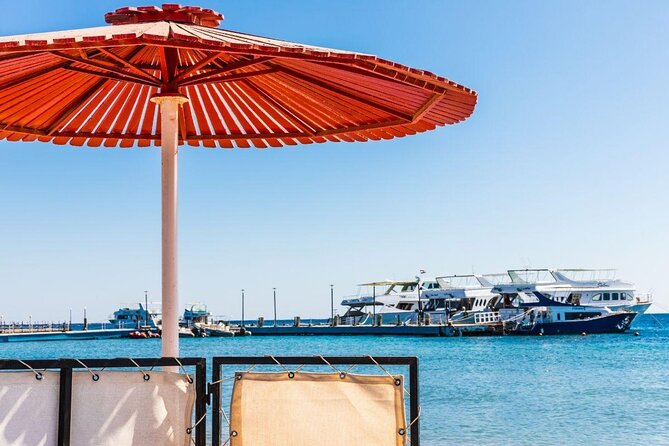
- Three hours each way from Safaga: The road journey is a major part of the experience, so this works best for people who want Luxor badly enough to accept a long transfer.
- Private group touring: Only your own group participates, with pickup and return at the cruise exit door.
- Two different Luxor days: Day one covers Karnak and Luxor Temple on the east bank. Day two covers the Valley of the Kings, Hatshepsut Temple, and the Colossi of Memnon on the west bank.
- One hotel night: You get breakfast and accommodation in a 4-star or luxury hotel, but the exact property is not specified.
- Entrance fees need clarification: The inclusions say site entrance fees are not included, despite the itinerary marking some admissions as included.
- The balloon promise is unclear: The tour title mentions a hot-air balloon, but the detailed schedule and included services do not describe a balloon flight.
Why the overnight format works better than a rushed day trip
Luxor is not a quick side stop. From Safaga Port, the drive takes about three hours in an air-conditioned vehicle, and the return drive takes about the same. A same-day visit would leave you racing through some of Egypt’s most important monuments.
This two-day plan gives you a more workable rhythm. You reach Luxor, visit the east-bank temples, sleep in the city, then cross the Nile in the morning for the royal tombs and funerary monuments. That split matters because the sights are spread across a large area, and each group of monuments deserves time.
The private arrangement is another practical advantage. You do not have to wait for a large bus group at every stop, and your guide can focus on your own party. The vehicle is air-conditioned, which is especially useful after walking around open temple courts and the exposed Valley of the Kings.
Still, do not mistake a private tour for a relaxed one. The road transfers alone take roughly six hours in total. You should be comfortable with an early start, extended driving, and several hours on your feet.
A few more balloon flights around Egypt worth a look
- Hurghada: 2-Day Luxor Tour with Hotel, Balloon, & Boat Ride
★ 4.5 · 1,113 reviews - Hurghada: 2-Day Luxor Highlights & Hot Air Balloon & Hotel
★ 4.3 · 89 reviews - Hurghada: 2-Day Luxor Tour with Hotel, Balloon, & Nile Boat
★ 4.8 · 82 reviews
Leaving Safaga Port for ancient Thebes
Pickup begins at 7:00 a.m. at the cruise exit door in Safaga Port. You must provide your ship name, docking time, disembarkation time, and re-boarding time when booking. That information is essential because a cruise ship schedule leaves little room for confusion.
The first transfer to Luxor takes about three hours, although the exact time depends on traffic and the time of day. The tour uses a private, air-conditioned vehicle, and bottled water is provided on board.
This road section is not sightseeing in the usual sense. It is the price of reaching Luxor from the Red Sea coast. If you are comparing this with an excursion from Luxor itself, the difference is obvious: a Safaga departure requires extra road time and therefore costs more in energy as well as money.
On the other hand, port pickup and return simplify the day. You do not need to arrange a taxi, find a local driver, or work out how to get back to the ship. For a private group, that direct connection can be worth paying for.
Karnak Temple: columns on a grand scale

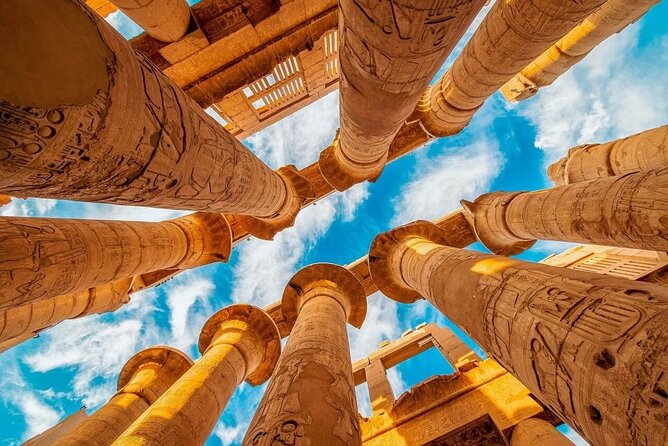
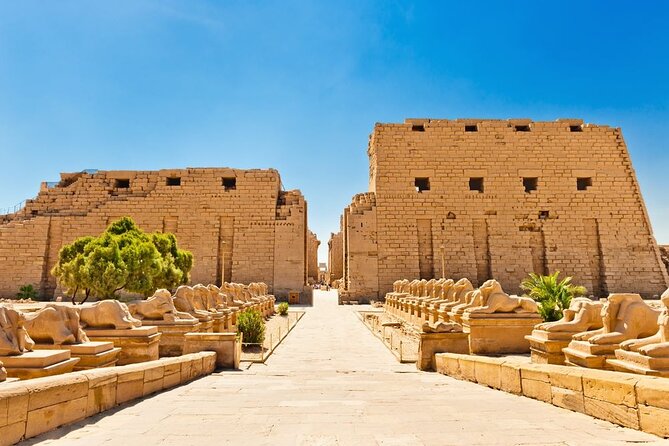
Karnak is the first major stop, with about two hours set aside for the complex. The site is often called the Karnak Open Air Museum, though it is far more than a small museum. It is a huge collection of temples, chapels, pylons, and other structures built and rebuilt over many centuries.
Construction began during the Middle Kingdom under Senusret I and continued into the Ptolemaic period. Much of what you see today comes from the New Kingdom, the era when Thebes was one of Egypt’s great centers of power.
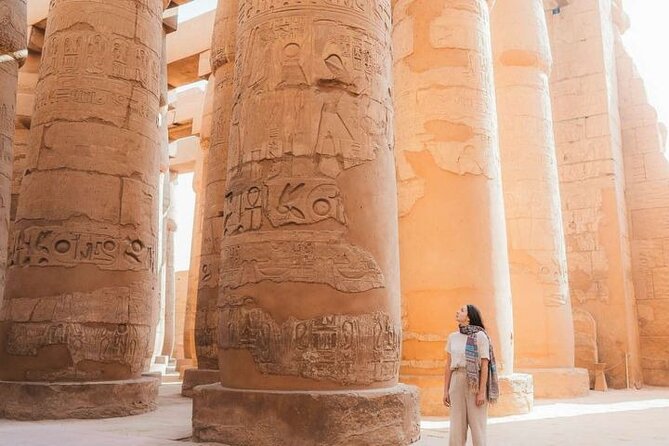
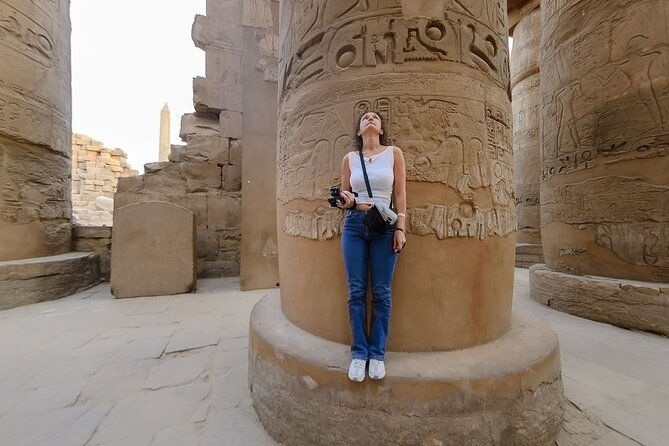
The famous Great Hypostyle Hall is the visual knockout. Its 134 columns create a forest of stone, with the larger central columns rising above the others. Your Egyptologist guide is especially useful here because the scale can overwhelm you. Without context, Karnak can look like one huge collection of broken walls. With explanation, the pylons, halls, reliefs, and sacred spaces begin to make sense.
Two hours is enough for a strong introduction, but not enough to inspect every corner. That is a fair trade for a two-day port excursion. You get the central experience without turning the first day into a marathon.
Bring water, wear practical shoes, and expect much of the visit to take place outdoors. The vehicle provides bottled water, but you will still want to manage your own drinking and sun exposure during the walk.
Luxor Temple and the long avenue of sphinxes
After Karnak, the tour continues to Luxor Temple for about an hour. This temple sits on Luxor’s east bank and was built around 1400 BCE. In ancient Egyptian terms, it was known as Ipet Resyt, or the southern sanctuary.
Luxor Temple feels different from Karnak. Karnak is vast and sprawling, while Luxor Temple is more compact and urban in its setting. The temple has also been connected with different religious eras, including the Pharaonic, Christian, and Islamic periods. That layered use gives the site unusual character.
The two great temple areas were connected by the Avenue of Sphinxes, a route of more than three kilometers. The avenue helps you understand that Karnak and Luxor were not isolated monuments. They formed part of a larger ceremonial center.
One hour is a brisk visit. You will have time to see the principal structures and hear the main story, but you will not have the leisure of an evening stroll or a long photographic stop. The schedule then moves you to the hotel, with about thirty minutes listed for the transfer.
The exact hotel is not named. You are promised accommodation in a 4-star or luxury hotel, but the property, room type, and hotel facilities should be confirmed before booking if those details matter to you.
Same sky, a different way to spend the morning:
- Hot Air Balloon Ride in Luxor Egypt with Transfers Included
★ 5.0 · 4,319 reviews - 4-Days Nile Cruise From Aswan To Luxor including Abu Simbel and Hot Air Balloon
★ 5.0 · 3,142 reviews - 4-Day 3-Night Nile Cruise from Aswan to Luxor&Abu Simbel+Balloon
★ 5.0 · 2,023 reviews - Luxor: Hot Air Balloon Ride over Luxor Relics
★ 4.8 · 1,681 reviews
Overnight in Luxor: useful, but ask questions first
The overnight stay is one of the tour’s strongest features. It breaks up the return journey and lets you begin the west-bank program after breakfast rather than driving back immediately after the east-bank temples.
Breakfast is included, and lunch meals at local restaurants are also included. Bottled water is available in the vehicle. The details do not specify the exact restaurants, meal choices, or whether a particular dietary request can be met, so ask in advance if you have food restrictions.
The hotel category is listed as 4-star or luxury, which sounds comfortable but remains broad. I would confirm the hotel name, whether the room is private, and what happens if the preferred property is unavailable. Those questions are especially reasonable given the price.
Valley of the Kings: three tombs from a royal cemetery
After breakfast, you cross the Nile to the west bank and spend about three hours at the Valley of the Kings. More than 62 tombs were cut into this area for pharaohs and powerful nobles of the New Kingdom, roughly from the 16th to 11th centuries BC.
You visit three tombs. That is a standard and sensible limit. The valley contains far more than anyone can see in one short visit, and the condition and access of individual tombs can vary. Your guide can explain the tombs available on the day and help you understand why the decoration and layout differ from one burial place to another.
The Valley of the Kings is not mainly about grand buildings. It is about corridors, chambers, painted walls, and the private world prepared for royal burial. The setting is stark and dry, with tomb entrances cut into the hills. You should expect walking, steps, and heat, along with limited shade.
The inclusion wording needs careful attention here. The itinerary marks admission as included, but the separate list of exclusions says entrance fees to all mentioned sites are not included. That is a real pricing issue, not a minor wording point. Ask the operator exactly which tickets are covered, including the three tombs and any special tomb supplement.
Hatshepsut Temple at Deir el-Bahari
The next stop is the Temple of Hatshepsut, with about an hour scheduled. Built beneath the cliffs at Deir el-Bahari, this mortuary temple is dedicated to Amun and Hatshepsut, the Eighteenth Dynasty ruler.
Its three broad terraces give it a different appearance from the heavier stone complexes at Karnak and Luxor. The design rises in stages toward the cliffs, creating a strong visual line between architecture and rock.
Hatshepsut’s position as a female pharaoh adds another important layer. The temple is not only a beautiful structure. It also reflects the way royal power was presented, defended, and linked to the gods.
An hour is enough to understand the layout and see the major features, though it will feel short if you want to study every relief. The visit is also exposed, so sensible footwear and water matter here.
Colossi of Memnon: a brief stop with a big visual payoff
The final west-bank stop is the Colossi of Memnon, two enormous stone statues of Pharaoh Amenhotep III. They have stood in the Theban Necropolis since about 1350 BCE.
The stop lasts around thirty minutes and admission is listed as free. Behind the statues are the remains of Amenhotep III’s temple, which helps you see that these figures were once part of a much larger complex.
This is a quick photo and history stop rather than a long site visit. That brevity is useful because the return to Safaga still takes about three hours. You get a clear look at the statues without spending the afternoon on a minor part of the program.
The hot-air-balloon question matters
The tour title includes a hot-air balloon, but the detailed schedule does not list a balloon flight. It also does not list balloon transport, flight time, breakfast before the flight, or any balloon-related fee among the inclusions.
Do not assume the balloon is part of the $840.54 price. Ask for written confirmation of four things:
- Is the balloon flight included?
- On which morning does it operate?
- Does it replace or change the scheduled west-bank visits?
- Are transport and any extra fees covered?
This is particularly important because a balloon flight normally requires a very early start, while the stated second-day plan begins with breakfast and pickup for the Valley of the Kings. The two parts may be compatible, but the supplied details do not explain how.
Price, guide service, and overall value
At $840.54 per person, this is a premium excursion. The price covers private pickup and return from Safaga Port, a private air-conditioned vehicle, an English-speaking Egyptologist guide, one hotel night, breakfast, lunch meals, and bottled water.
That package can offer good value for a small group that wants control over the schedule and does not want to arrange several separate services. It also removes much of the practical work involved in reaching Luxor from a cruise port.
The price looks less attractive if entrance fees are extra, the balloon is not included, or the hotel is simply a basic overnight stop. Clarify those points before deciding. Group discounts are available, so the per-person cost may improve if you are booking for several people.
The guide service is a central part of the experience. Abdul, Mustafa, and Tamir are names associated with the guiding team, and their care, along with the drivers’ safe handling of the long route, has received strong praise. You should still confirm your assigned guide when booking, since a named guide is not necessarily guaranteed.
The overall rating shown for the experience is 4.5 from two submitted ratings. That is encouraging, but it is also a small sample. I would place more weight on the clear service structure, the private format, and the direct praise for the guides and drivers than on the number alone.
Who should book this Luxor excursion?
This tour suits you if you are on a cruise, have enough time away from the ship for an overnight land excursion, and want to see the major Luxor sights with your own guide. It is also a good match for families or small groups who value a private vehicle and a fixed port-to-port plan.
It is less suitable if you dislike long road journeys, want a slow archaeological visit, or need a highly detailed hotel and meal plan before booking. The schedule covers a lot, but it does not leave much room for unplanned stops.
The tour is also not ideal for anyone who assumes the hot-air balloon and all entrance tickets are automatically included. Those two points need direct confirmation.
Should you book it?
Book this tour if Luxor is a top priority on your Red Sea cruise and you want the main east- and west-bank sights handled in one private package. The overnight format is far better than trying to see everything in one exhausting day, and the guide and driver service are the parts I would value most.
Before booking, get written answers about the balloon flight, the exact hotel, and every entrance fee. If those items are included as you expect, the cost may be justified by the private transport, port return, accommodation, and guide. If not, compare the final total with other Luxor options before committing.
The experience offers free cancellation up to 24 hours before the start time. Changes or cancellations inside that window are not accepted for a refund. Cruise passengers should also allow enough time for the return drive and the ship’s re-boarding deadline.
FAQ
Where does the tour start?
It starts at Safaga Port, with pickup at the cruise exit door.
What time does pickup begin?
The stated start time is 7:00 a.m.
How long is the drive from Safaga to Luxor?
The transfer takes about three hours each way, although traffic and time of day can affect the exact duration.
Is the tour private?
Yes. Only your own group participates in the activity.
What sights are visited on the first day?
The first day includes Karnak Temple and Luxor Temple, followed by transfer to the hotel in Luxor.
What sights are visited on the second day?
The second day includes the Valley of the Kings, the Temple of Hatshepsut at Deir el-Bahari, and the Colossi of Memnon.
How many Valley of the Kings tombs do you visit?
The planned visit includes three tombs.
Is accommodation included?
Yes. One night is included at a 4-star or luxury hotel in Luxor, although the specific hotel is not named.
Are meals included?
Breakfast and lunch meals at local restaurants are included. Bottled water is also provided in the vehicle.
Are entrance fees included?
The supplied details are inconsistent. Some itinerary entries mark admission as included, while the exclusions say entrance fees to the mentioned sites are not included. Confirm the exact ticket policy before booking.
Is a hot-air-balloon flight included?
The tour title mentions a hot-air balloon, but the detailed schedule and inclusions do not explain the flight. Ask the operator to confirm whether it is included and how it fits into the two-day program.
What information must cruise passengers provide?
At booking, cruise passengers must provide the ship name, docking time, disembarkation time, and re-boarding time.
Can the booking be canceled for a refund?
You can cancel at least 24 hours before the experience start time for a full refund. Cancellations or changes made less than 24 hours before the start time are not accepted for a refund.
Just added around Egypt
- Safaga port 2 Days tour to luxor with hot air balloon★ 5.0 · 4 reviews
- 2 Day Trip To Luxor From Marsa Alam including hot air balloon★ 5.0 · 2 reviews
- Full Day Tour from Marsa Alam to Luxor with Hot Air Balloon★ 5.0 · 5 reviews
- Private Luxor OverNight With Hot Air Balloon Ride From Marsa Alam★ 5.0 · 3 reviews
- Hot Air Balloon Flight in Luxor with Pickup★ 4.5 · 14 reviews
- Enjoy The hot Air Balloon,Kings Valley,Sailing Felucca,Camel Ride in Luxor★ 5.0 · 6 reviews
- Hot Air Balloon Ride and Tour to Valley of Kings Luxor- Special Offer★ 5.0 · 15 reviews
- Hot Air Balloon trips in Luxor★ 5.0 · 3 reviews
Egypt Hot Air Balloon Rides, compared.
Hot Air Balloon Ride in Luxor Egypt with Transfers Included
Read our review →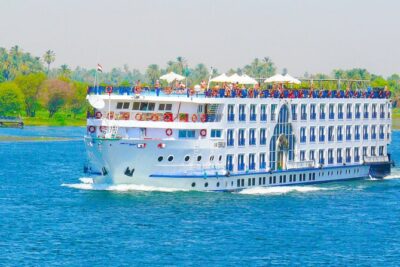
4-Days Nile Cruise From Aswan To Luxor including Abu Simbel and Hot Air Balloon
Read our review →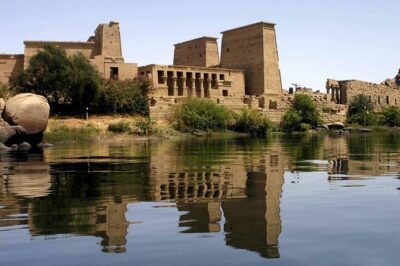
4-Day 3-Night Nile Cruise from Aswan to Luxor&Abu Simbel+Balloon
Read our review →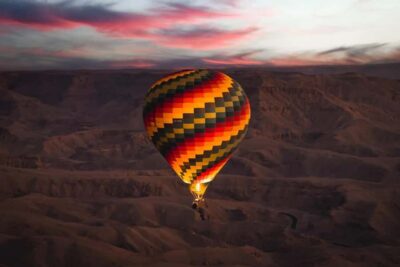
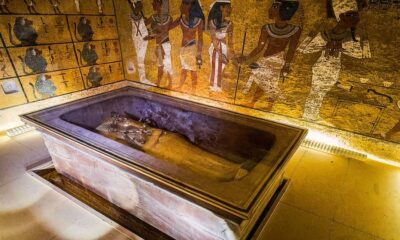
2-Day Luxor Tour with Hotel, Balloon, & Boat Ride
Read our review →
Luxury Sunrise Balloon Ride in Luxor with Hotel Pickup
Read our review →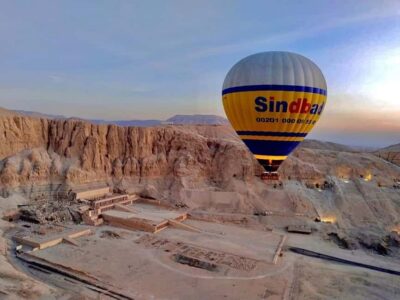
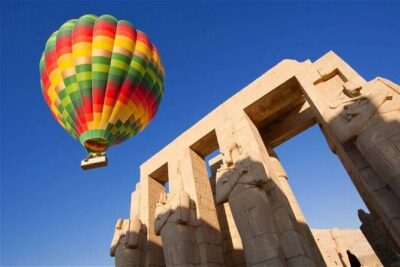
Sunrise Hot Air Balloon Over the Historical sites in Luxor
Read our review →Browse the lists this tour appears in