
REVIEW · ASWAN
4-Day 3-Night Nile Cruise from Aswan to Luxor including Abu Simbel, Air Balloon
Ancient Egypt unfolds before breakfast. This four-day cruise packs Aswan, Abu Simbel, Kom Ombo, Edfu, and Luxor into one organized trip, with three nights aboard a Nile ship and transport between each major site. I especially like the Abu Simbel excursion and the sunrise hot-air balloon ride over Luxor’s West Bank. The main catch is the schedule: several mornings begin around 4 or 5 a.m., and entrance fees add roughly $125 per person.
I also like that you can arrive in Aswan by hotel transfer, train, or airport pickup, then finish at a Luxor hotel, airport, or railway station. Guides such as Mohamed Gobran, Mahmoud, Ahmed Shawky Ali, and Ahmed have earned strong praise for clear explanations and careful organization. Still, cruise quality can vary, and some cabins are basic rather than true five-star accommodation.
Key points before you book
- Abu Simbel requires a 4:30 a.m. start: The long road trip is tiring, but it reaches one of Egypt’s great monuments before the worst heat.
- The balloon flight lasts 30 to 45 minutes: It is an unforgettable way to see Luxor’s West Bank, but it can be canceled in bad weather.
- The $329 price is not the final cost: Add about $125 for site tickets, plus tips and drinks.
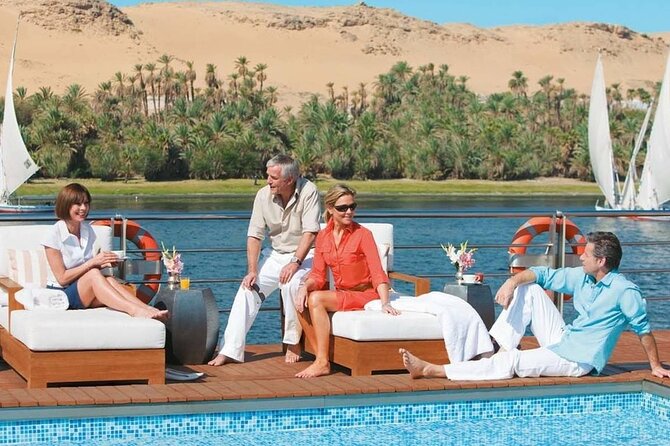
- Three nights include meals and evening shows: Expect buffet meals, a belly-dancing performance, a disco party, and time on the sundeck.
- The schedule is packed: You see a great deal in four days, but this is not a slow, restful cruise.
- The maximum group size is 30 people: Shore visits are guided, while the Abu Simbel trip uses a shared small group.
Why this Nile cruise works so well
A Nile cruise is one of the easiest ways to connect the major ancient sites between Aswan and Luxor. Instead of arranging separate hotels, drivers, trains, and guides, you unpack once and let the ship carry you north.
That convenience matters in southern Egypt. The sites are spread out, and the heat can make transport planning tiring. Here, air-conditioned vehicles, a qualified driver, a guide, and port transfers are arranged for you.
The route also gives you variety. You begin with island temples and a modern engineering landmark, continue to remote desert temples, then finish among the royal tombs and grand sanctuaries of Luxor. Between visits, you can sit on deck and watch villages, palms, river traffic, and farmland slide past.
The price looks attractive at $329 per person, especially with three nights of accommodation, three breakfasts, three lunches, three dinners, transport, and the balloon ride included. But you should budget for the extra entrance fees, which are listed at about $125 per person. Tips for the guide, driver, and ship crew are also not included, and drinks cost extra.
That puts the realistic cost well above the advertised figure. Even so, the package can offer good value if you want a tightly organized introduction to the Nile Valley and do not want to manage every transfer yourself.
More Nile Cruise and Balloon Packages in Aswan:
- 4-Days Nile Cruise From Aswan To Luxor including Abu Simbel and Hot Air Balloon
★ 5.0 · 3,142 reviews - 4-Day 3-Night Nile Cruise from Aswan to Luxor&Abu Simbel+Balloon
★ 5.0 · 2,023 reviews - 4-Days Nile Cruise From Aswan To Luxor including Abu Simbel and Hot Air Balloon
★ 4.5 · 509 reviews
Day one: Aswan High Dam and Philae Temple
Your Aswan day begins with pickup from an Aswan hotel, railway station, or airport. The first stop is the Aswan High Dam, a huge modern project that changed the flow of the Nile and created Lake Nasser.
The dam is not the emotional highlight of the trip, but it provides useful context. It explains why Philae Temple sits on an island today and why many ancient monuments in southern Egypt had to be moved or protected after the reservoir was created.
From the dam, you take a motorboat to Philae Temple. The boat ride is part of the pleasure. Philae is set on an island, and approaching it from the water gives the visit a special sense of arrival.
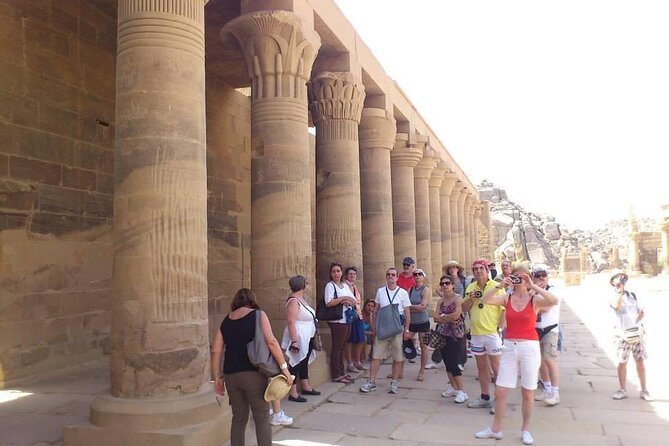
The temple complex is linked mainly with the goddess Isis. Its courtyards, columns, reliefs, and sanctuary show how Egyptian religious traditions continued for centuries. Christian communities later used parts of the site, so you can see traces of changing faiths in the stonework.
Allow about four hours for this part of the day, including transport and the visit. Entrance is not included, so keep money available for tickets. The cruise begins afterward, with lunch, afternoon tea, dinner, and an evening disco party aboard ship.
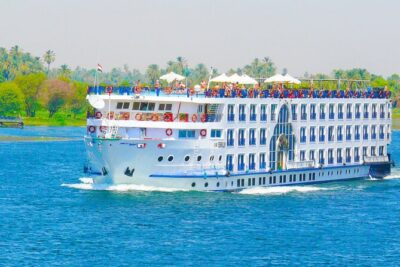
This first evening is also your chance to get comfortable with the boat. The public areas may feel pleasant and well kept, while cabins can be more modest. Some passengers found the rooms clean and maintained but a little worn, with tight bathrooms. I would think of the ship as practical mid-range accommodation rather than assume luxury from the five-star description.
Day two: the early road to Abu Simbel
The Abu Simbel excursion is the hardest morning and one of the strongest reasons to choose this route. Pickup is around 4:30 a.m., and the drive takes several hours. You reach the temples at about 8 a.m., then return to the boat around noon.
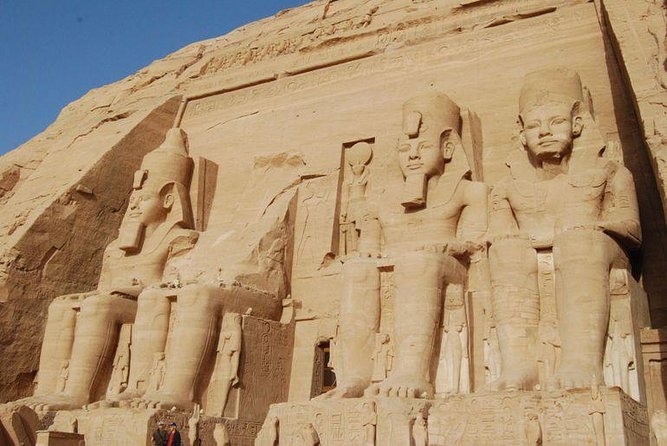
Abu Simbel was built for Ramesses II and includes the famous rock-cut temples dedicated to the king and Queen Nefertari. The colossal seated figures at the entrance are the immediate draw, but the interior chambers and carved scenes are just as important.
The journey is long, and the time at the complex can feel short, especially if Abu Simbel is your main reason for coming to Egypt. You should expect roughly one hour at the temples according to the planned timing. That is enough to see the main spaces, but not enough for an unhurried study of every relief.
The early departure does have one advantage: you reach Abu Simbel before the strongest midday heat. You also avoid arranging a separate overnight stay or private road transfer. For many people, that trade is worthwhile.
A packed breakfast is provided for early excursions, but it may be less appealing than the regular buffet. Bring patience, water, and a plan for the long drive. Drinks are not included on the cruise, and bottled water aboard can cost much more than at shore stops.
After returning, you have lunch on the ship as it sails toward Kom Ombo. This is one of the better times to enjoy the Nile. Sit on the upper deck, rest, and let the schedule slow down for a few hours.
Kom Ombo after sunset
Kom Ombo is a short visit, usually about an hour, but the temple is memorable because it is a double sanctuary. One side honors Sobek, the crocodile god, while the other is associated with Horus, the falcon god.
The paired design gives the site a clear structure. You can see two sets of courts, halls, and sanctuaries sharing one complex. A visit here also introduces the way ancient Egyptians linked religious belief with animals, healing, kingship, and the Nile.
The ship continues to Edfu for the night. Dinner is served aboard, and you can use the evening to rest. After Abu Simbel, you will likely appreciate a quiet cabin more than another performance.
More Abu Simbel and Balloon Tours in Aswan:
- 4 Days Nile Cruise from Aswan to Luxor including Abu Simbel and Hot Air Balloon
★ 4.5 · 356 reviews - 4-Day 3-Night Nile Cruise from Aswan to Luxor With Balloon and Abu Simbel
★ 5.0 · 327 reviews - 4-Days Nile Cruise Aswan&Luxor,Hot Air Balloon&Abu Simbel.Hot deal
★ 5.0 · 322 reviews - From Aswan:4 Days Nile Cruise Luxor Abu Simbel & Air Balloon
★ 4.4 · 310 reviews
Day three: Edfu by horse carriage
After breakfast, you leave the ship for a horse-and-carriage ride to the Temple of Horus. The carriage is a practical part of the transfer, but it also gives the morning a more old-fashioned Egyptian feel.
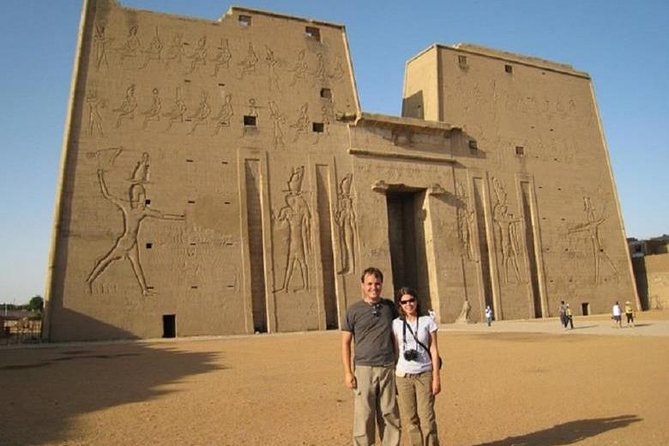
Edfu contains one of the best-preserved temples in Egypt. Its large walls, entrance pylons, reliefs, and inner rooms make it easier to understand the basic plan of an Egyptian temple than some more ruined sites.
The visit lasts about two hours. Your Egyptology guide explains the carvings and the role of Horus, then you return to the ship and sail toward Luxor.
This is where the cruise itself earns its keep. The movement between sites is not dead time. You can watch the riverbanks from the deck, have lunch, take afternoon tea, and cross the Esna Lock without packing and unpacking again.
Still, do not expect a restful resort holiday. Excursions fill much of the day, and the next visit may begin soon after you arrive. The strongest guides provide a clear schedule each evening, often using WhatsApp to explain pickup times, meals, and extra costs. That simple communication can make a major difference.
Luxor Temple and the possible Karnak visit
Late on day three, you reach Luxor and head to Luxor Temple on the East Bank. The temple is especially atmospheric in the afternoon or evening, when the columns and pylons take on a different look from the bright sites visited earlier.
Luxor Temple also reflects several eras of use. Ancient Egyptian religious features sit alongside later Christian and Islamic additions. You are not looking at a single frozen moment, but a place that continued to matter as the city changed.
The planned visit lasts about two hours. If the boat reaches the dock by roughly 3 or 3:30 p.m., the group may also visit Karnak that day. If not, Karnak moves to the final morning.
That conditional timing is important. You should not assume you will see both East Bank complexes on day three. The actual sailing time and docking schedule control the evening.
Back aboard, dinner is followed by a belly-dancing show. These performances are part of the standard cruise atmosphere, along with the first night’s disco party. Some people enjoy the entertainment; others may prefer an early night after several pre-dawn starts.
Day four: a sunrise balloon over Luxor
The hot-air balloon ride begins around 5 a.m. and lasts about 30 to 45 minutes. You cross to Luxor’s West Bank and rise over the area as the sun comes up.
This is the visual high point of the trip. From above, the Nile, farmland, desert edge, temples, and modern settlements fit together in a way that is hard to grasp from ground level. I like this addition because it is not simply another temple visit. It gives you a new view of the entire Luxor area.
There are practical limits. Cameras are not allowed in the balloon basket, but you can use a mobile phone for pictures. Children under six cannot take part. If wind or other bad weather cancels the flight, the stated refund is $25 per person.
After the flight, you return for breakfast, check out, and continue the West Bank tour. The timing is early, but the balloon ride leaves enough of the day for Luxor’s major sites.
Valley of the Kings and Hatshepsut’s temple
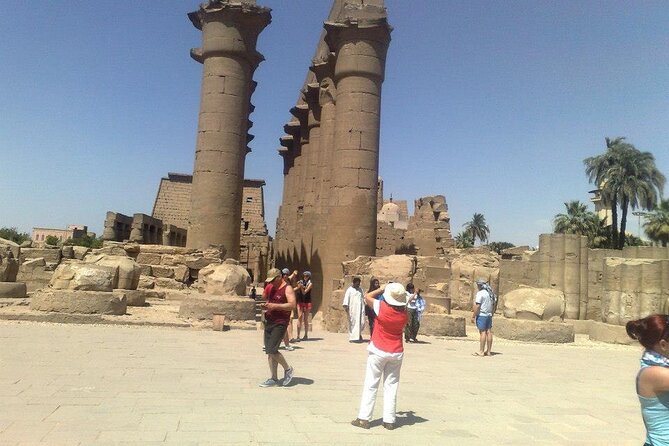
The Valley of the Kings is one of Egypt’s most famous stops. New Kingdom pharaohs cut tombs into the hills to protect their burials and treasures. The setting feels stark and practical, very different from the open river temples.
Your visit is scheduled for about two hours. Entrance to the general site is not included, and special tombs can require an additional ticket. If you have a strong interest in royal burials, check which tombs are open and budget for any extra admission.
The Temple of Hatshepsut at Deir el Bahari follows. Its terraces rise against the cliffs, and the story of Hatshepsut gives the visit a strong human focus. She ruled as pharaoh and used architecture, inscriptions, and royal imagery to present her authority.
The final West Bank stop is a photo pause at the Colossi of Memnon. These huge statues are easy to visit, and the stop breaks up the morning before lunch. Lunch at a local restaurant is optional, so clarify the cost and timing with your guide.
Karnak, the grand finish, and departure
Karnak is scheduled for the final stop if you did not see it on the previous evening. Give it time. The complex was built and expanded over roughly 2,000 years and covers about 63 acres.
The Great Hypostyle Hall, packed with enormous columns, is the part most people remember. Obelisks, courts, gateways, and inscriptions spread across a large area, so comfortable shoes and water are useful.
Karnak can feel like a lot after the Valley of the Kings and Hatshepsut, especially since you may have been awake since before sunrise. But it is an appropriate final stop because it shows the scale of Egyptian temple building better than almost any other site.
The day usually ends around 3 to 4 p.m. with a transfer to a Luxor hotel, airport, or railway station. The tour includes drop-off on Luxor’s East Bank. West Bank hotel drop-off is available for an extra $10 per person, just as West Bank pickup in Aswan costs an additional $10.
Food, cabins, drinks, and onboard life
Meals begin with lunch on day one and finish with breakfast on day four. The cruise provides buffet-style meals, and the food receives generally positive marks, though quality can vary. Some meals have been described as plentiful and tasty, while early breakfast bags were considered disappointing.
Water and other drinks are not included. Bottled water and soft drinks can be expensive aboard, so use shore stops to buy supplies when possible. Carrying water is especially important during the long Abu Simbel day and the West Bank visits.
The ship offers clean public areas, daily cabin cleaning, afternoon tea, and evening entertainment. Cabins may be basic, bathrooms can feel cramped, and occasional problems such as a lack of hot water have occurred. Set your expectations at comfortable transport and accommodation, not a luxury hotel at sea.
The guide can shape the whole experience. Mohamed Gobran is praised for clear communication, history explanations, and taking care of logistics. Mahmoud is noted for sending detailed daily schedules and helping with Egypt’s sometimes persistent sales pressure. Ahmed Shawky Ali is valued for academic knowledge and careful organization. Your actual guide will depend on the departure, so the experience may differ.
Who should book this cruise?
I would recommend it if you want to see the major Aswan to Luxor sites in a short time, prefer organized transport, and like having meals and accommodation handled together. It also suits first-time visitors who want a guide nearby when facing large temple complexes and unfamiliar transfers.
I would hesitate if you want long visits at each site, late mornings, or a polished luxury ship. The 4:30 and 5 a.m. starts are real, and the program can leave you worn out by the final afternoon.
At $329, the package is appealing, but calculate the full cost with about $125 in admission fees, tips, drinks, and optional lunch. Book it for coverage and convenience, not for slow travel. If Abu Simbel and the balloon ride are high on your Egypt wish list, this route gives you both, along with the strongest run of Nile temples in one compact trip.
FAQ
How long is the Nile cruise?
The experience lasts approximately four days and includes three nights aboard a Nile cruise ship.
What route does the cruise follow?
It travels from Aswan to Luxor, with visits to Philae, Abu Simbel, Kom Ombo, Edfu, Luxor Temple, Karnak, the Valley of the Kings, Hatshepsut’s temple, and the Colossi of Memnon.
Is Abu Simbel included?
The Abu Simbel trip and English-speaking guide are included, but entrance fees are not included.
Are meals included?
Yes. The package includes meals from lunch on the first day through breakfast on the final day, including three breakfasts, three lunches, and three dinners.
Is the hot-air balloon ride included?
Yes. The package includes a 30 to 45 minute hot-air balloon flight over Luxor’s West Bank.
What happens if the balloon flight is canceled?
If bad weather cancels the flight, the stated refund is $25 per person.
Can children join the balloon ride?
Children under six are not allowed to take part in the balloon flight. Children must also be accompanied by an adult on the tour.
Are drinks included on the cruise?
No. Water and other drinks must be paid for separately.
Are entrance tickets included?
No. Entrance fees for the sites are listed at approximately $125 per person.
Where can I be dropped off in Luxor?
You can be dropped at a Luxor hotel, airport, or railway station. East Bank hotel transfers are included, while West Bank hotel drop-off costs an extra $10 per person.
More 4-Day Experiences in Aswan
- 4-Day Nile Cruise sails Aswan to Luxor&Abu Simbel.Hot air Balloon
★ 4.5 · 247 reviews - 4-Day Nile Cruise Aswan and Luxor Hot Air Balloon with Abu Simbel
★ 5.0 · 234 reviews - 4 Days Nile Cruise From Aswan To Luxor Including Abu Simbel & Hot Air Balloon
★ 5.0 · 78 reviews - Aswan: 4-Day Egypt Private Tour with Nile Cruise, Balloon
★ 4.3 · 76 reviews
Just added around Aswan
- (3-Nights Cruise From Aswan To Luxor & Balloon, Abu Simbel)★ 4.5 · 23 reviews
- 4-Days Nile Cruise From Aswan To Luxor Abu Simbel and Air Balloon★ 4.5 · 2 reviews
- 3-Nights Cruise From Aswan To Luxor, Hot Air Balloon,Abu Simbel★ 4.5 · 46 reviews
- 4 Days Nile Cruise &Hot Air Balloon on M/S Movenpick Royal Lilly★ 5.0 · 4 reviews
- Luxor: 4-Night Nile cruise , Hot Air balloon , west bank , abu simbel★ 5.0 · 3 reviews
- 8 Nights Egypt Tour,Cairo,Luxor,Aswan&Abu Simbel,Nile Cruise,Hot Air Balloon★ 4.5 · 11 reviews
- (Wonderful 3-Nights Nile Cruise from Aswan to Luxor & Balloon)★ 4.5 · 17 reviews
- 4-Day Nile Cruise: Aswan to Luxor & Abu Simbel + Hot Air Balloon★ 4.5 · 35 reviews
Aswan Hot Air Balloon Rides, compared.
4-Days Nile Cruise From Aswan To Luxor including Abu Simbel and Hot Air Balloon
Read our review →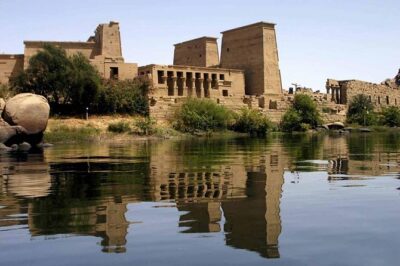
4-Day 3-Night Nile Cruise from Aswan to Luxor&Abu Simbel+Balloon
Read our review →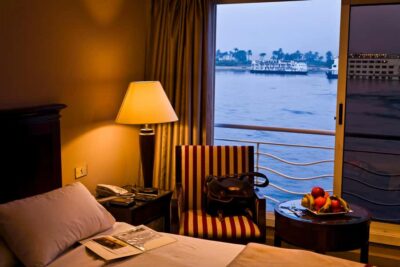
4-Days Nile Cruise From Aswan To Luxor including Abu Simbel and Hot Air Balloon
Read our review →4 Days Nile Cruise from Aswan to Luxor including Abu Simbel and Hot Air Balloon
Read our review →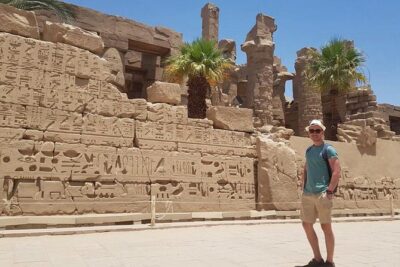
4-Day 3-Night Nile Cruise from Aswan to Luxor With Balloon and Abu Simbel
Read our review →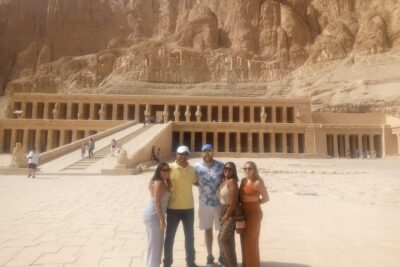
4-Days Nile Cruise Aswan&Luxor,Hot Air Balloon&Abu Simbel.Hot deal
Read our review →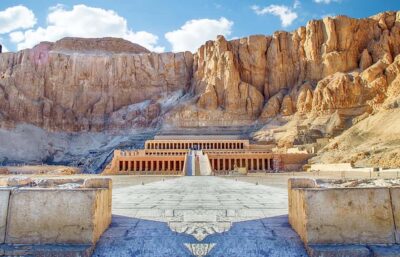
4 Days Nile Cruise Luxor Abu Simbel & Air Balloon
Read our review →Browse the lists this tour appears in